In property, a good product is only part of the equation. A development can have a strong location, attractive facilities and well-designed homes, yet still struggle to stand out if buyers do not understand what makes it different.
This is where property branding comes in.
As the property market becomes increasingly competitive and buyers gain access to more information online, strong branding can play an important role in creating differentiation, building trust and communicating value.
Property branding is the process of giving a property development or real estate company a distinct identity, positioning and proposition that connects with a specific audience. It encompasses far more than a logo or tagline. It shapes how a development is perceived, remembered and ultimately considered by buyers.
Property branding is the strategic process of defining what a property stands for, who it is intended for and why people should choose it over competing developments.
It can encompass:
This means property branding is not simply about making a development look attractive.
A swimming pool, landscaped garden, gym and clubhouse are physical features. Branding helps connect those features to a larger idea, such as family living, wellness, community or resort-style living. In simple terms, property marketing promotes a product, while property branding gives that product meaning.
“A brand is the set of expectations, memories, stories and relationships that, taken together, account for a consumer’s decision to choose one product or service over another.”
— Seth Godin
Property is a high-consideration purchase. Buyers may spend months comparing developments, locations, prices, layouts, facilities, developers and future prospects before making a decision.
At the same time, many developments can appear similar on paper. They may offer comparable unit sizes, facilities, locations, prices and finishes.
Branding creates another layer of differentiation by helping buyers understand what makes a development distinct and why that difference matters to them.
Research into the Malaysian housing market has also found that factors associated with developer brands, including reliability, professionalism, developer experience, quality assurance and perceived investment value, can influence how purchasers assess property developers.
This demonstrates that a property brand can extend beyond visual identity. It can contribute to perceptions of quality, credibility and value.
Good property branding can influence multiple stages of the buyer journey, from initial awareness through consideration and ultimately purchase.
1. Differentiate the Property
One of the most important questions a property brand should answer is:
Why this property?
A strong brand identifies a meaningful point of difference and communicates it consistently. That difference could come from:
Effective differentiation should be relevant and credible. Simply describing a development as “premium”, “exclusive” or “strategically located” does little if competing developments make the same claims.
A strong brand instead gives buyers a clear reason to remember one development over another.
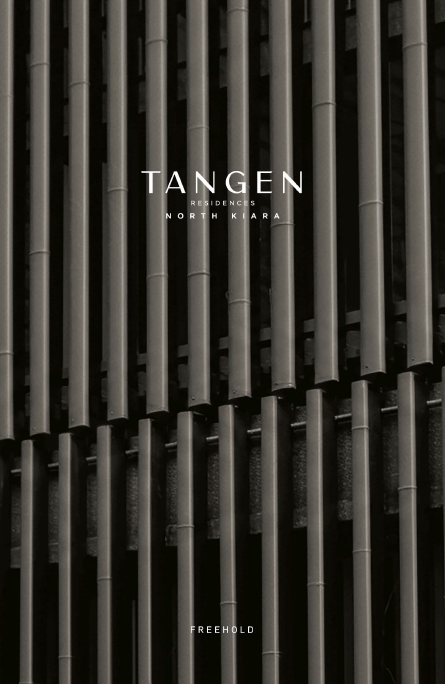
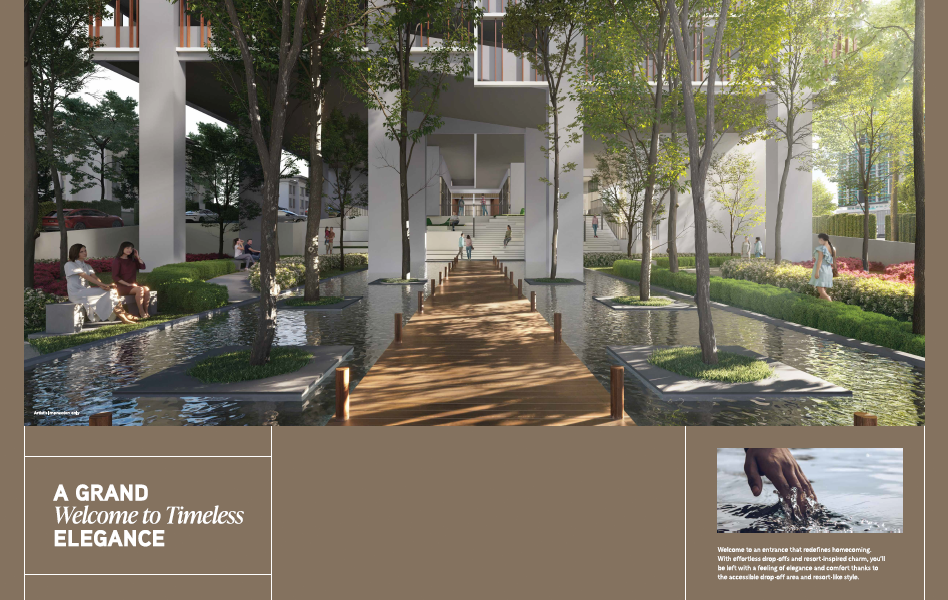
An example of this would be Tangen Residences North Kiara where we provided strategic branding by highlighting the nature within the development and how every aspect of it was inspired by the bamboo design. This helped the property reach more than 50% of sales within the first few months of launching.
Trust is particularly important in property because buyers are committing significant amounts of money to something they may not fully experience for several years.
Branding helps establish expectations before a buyer ever enters a sales gallery.
A well-developed brand can communicate qualities such as:
Consistency is also important. The promise made through an advertisement should feel connected to the website, sales gallery, show unit, sales materials and sales process.
When these touchpoints communicate the same underlying idea, the brand becomes easier to understand and trust.
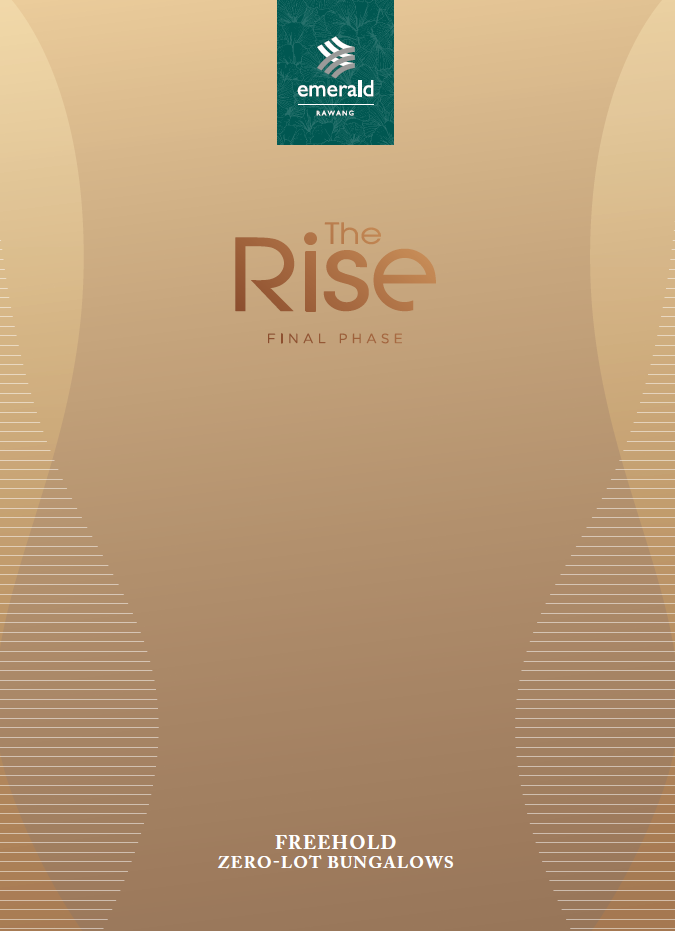
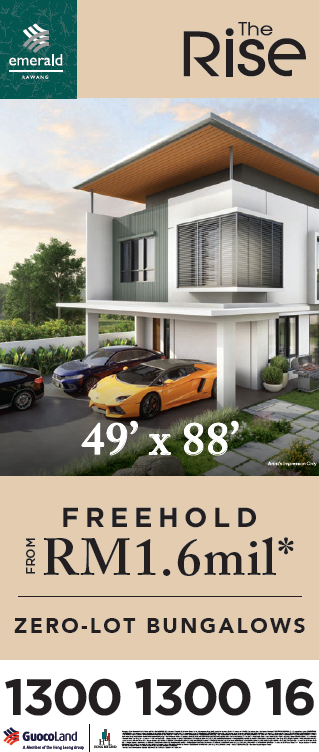
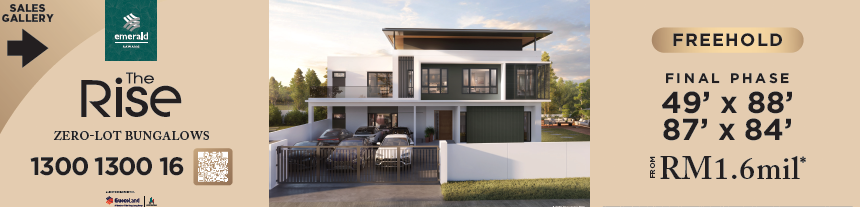
We ensured consistency for The Rise (Final Phase) by Guocoland in Rawang by ensuring the colours, typefaces, tone, and various other elements were similar. This allowed us to achieve a 99% consistent design across all marketing materials.
Being seen is therefore only part of the challenge. The brand also needs to be remembered.
A distinctive visual identity, clear proposition and consistent messaging can make a development easier to recognise across different channels. More importantly, buyers should be able to associate the development with something specific. The objective is not simply for people to remember the name. It is for them to remember what the name represents.
We ensured that Armani Hallson’s collaterals matched the standards of all its other projects by studying their design and visual treatment. This allowed was seen in the name of the development which gave Armani Hallson KLCC an unmistakeable identity: armanihallsonklcc.com.my
Branding helps translate specifications into benefits that buyers can understand.
For example:
Feature | Branding |
12-acre landscaped park | A development designed around greenery and outdoor living. |
5-minute drive to a major employment hub | A location designed around everyday connectivity. |
Family-oriented facilities | A community designed around the needs of growing households. |
This process turns a list of specifications into a coherent value proposition. Instead of simply telling buyers what a development has, branding helps explain why those features matter.
The proximity of Xanadu Millenium to a nearby lake was highlighted in the branding. From the visual angles to the messaging throughout: www.xanadumillennium.com
A strong brand can shift the conversation from:
“How much does it cost?”
towards:
“What does this property offer that makes it worth considering?”
The difference is subtle but important. Branding helps establish the context in which a property’s price and proposition are understood.
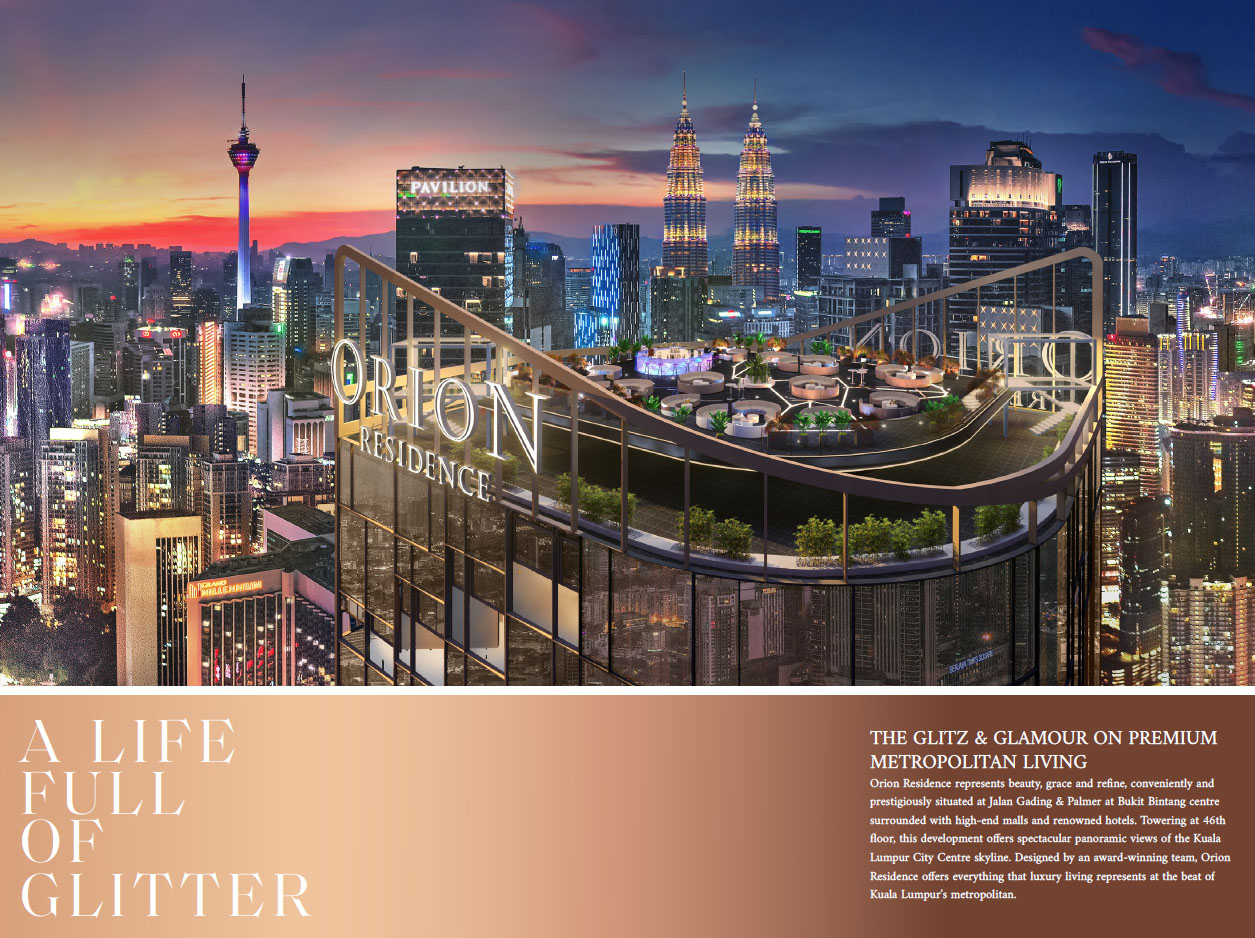
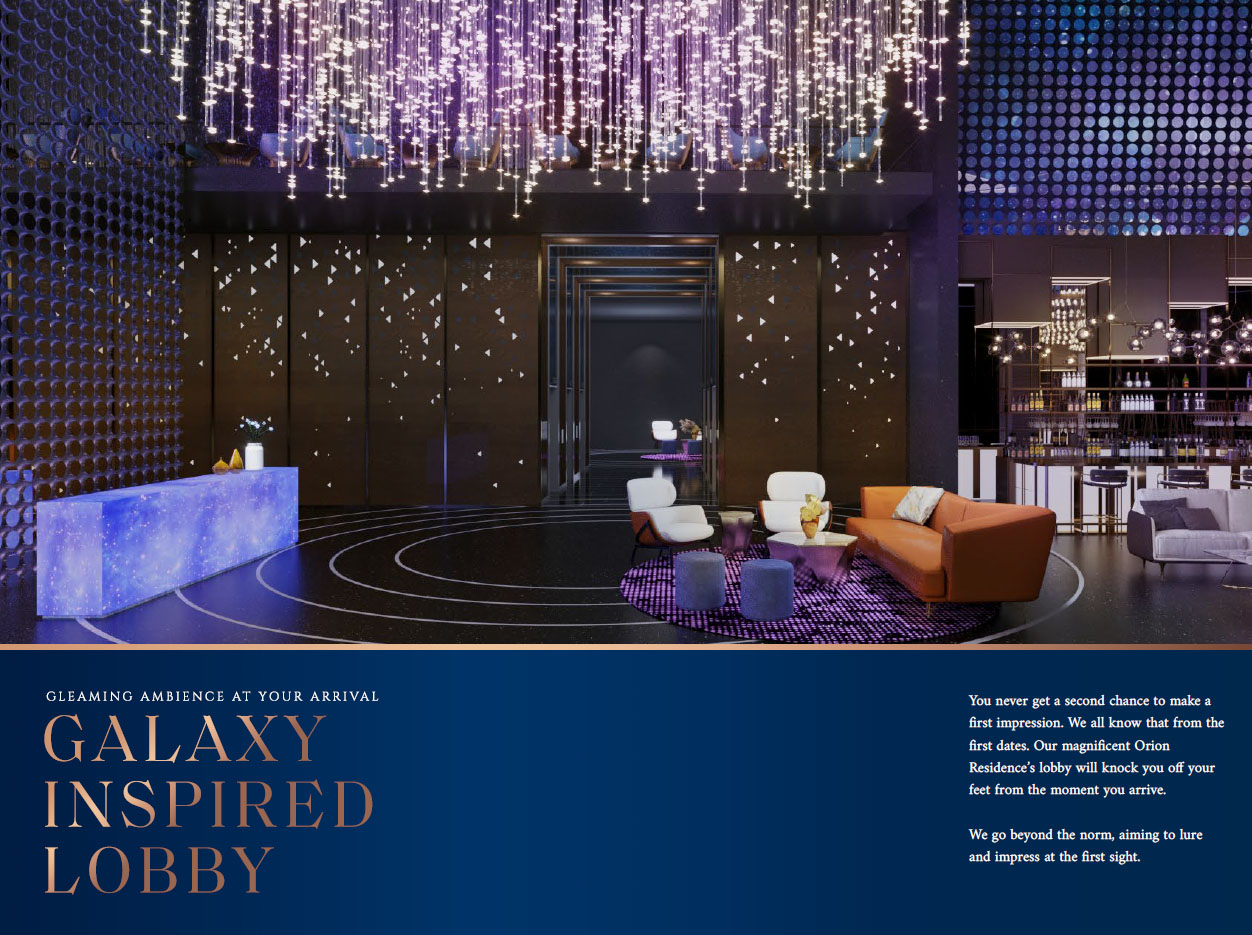
The branding for Orion Residence showcased the level of opulence that this city centre development offered by showcasing it as a development for the stars. Check it out here orionresidence.com.my
People can understand information more easily when individual details are connected by a clear idea.
Property branding creates that idea.
A development could be positioned around:
The story, however, needs to be supported by tangible evidence.
For example, if a development promises convenience, its location, connectivity, facilities and surrounding amenities should support that promise. This creates a stronger connection between what the brand says and what the property actually delivers.
There is no single formula for a successful property brand. However, strong branding typically shares several characteristics.
It speaks clearly to a defined audience and addresses something that matters to them.
It occupies a recognisable position rather than sounding like every other development.
Its promises are supported by the actual product, location and developer.
The same core idea is communicated across advertising, digital platforms, sales materials and physical experiences.
Buyers can understand what the development stands for and associate it with a clear idea.
The brand can remain relevant as the development, market and audience evolve.
Its claims are supported by research, data, experience or tangible project attributes.
Ultimately, good property branding connects what a property is with what buyers believe it can mean for them.
Property branding should not be treated as decoration added shortly before a project launches. It can influence how a development is positioned, how it competes, how buyers interpret its value and how consistently its proposition is communicated throughout the sales journey.
The strongest property brands bring together strategy, creativity, research and evidence. They identify what makes a development relevant, express that difference clearly and create a consistent experience around it.
A property brand with a clear point of view, original insights, credible evidence and a meaningful proposition has something more valuable than a memorable visual identity. It has authority.
And in an increasingly competitive property market, that authority can help a development stand apart, communicate its value more effectively and become easier for buyers to understand, remember and consider.

By submitting this form, you agree that CKGROUP, along with its related corporations, associates, affiliates, joint development companies, and their representatives (collectively referred to as “CKGROUP”), may collect, store, and process the personal data you provide for the purpose of receiving updates, news, promotional materials, and marketing communications from CKGROUP.
You hereby consent to CKGROUP’s authority to:
For clarity, “personal data” includes all information defined under the Personal Data Protection Act 2010, including any data you have disclosed to CKGROUP through this form.